
An Elemental Guide to Japan 🗾
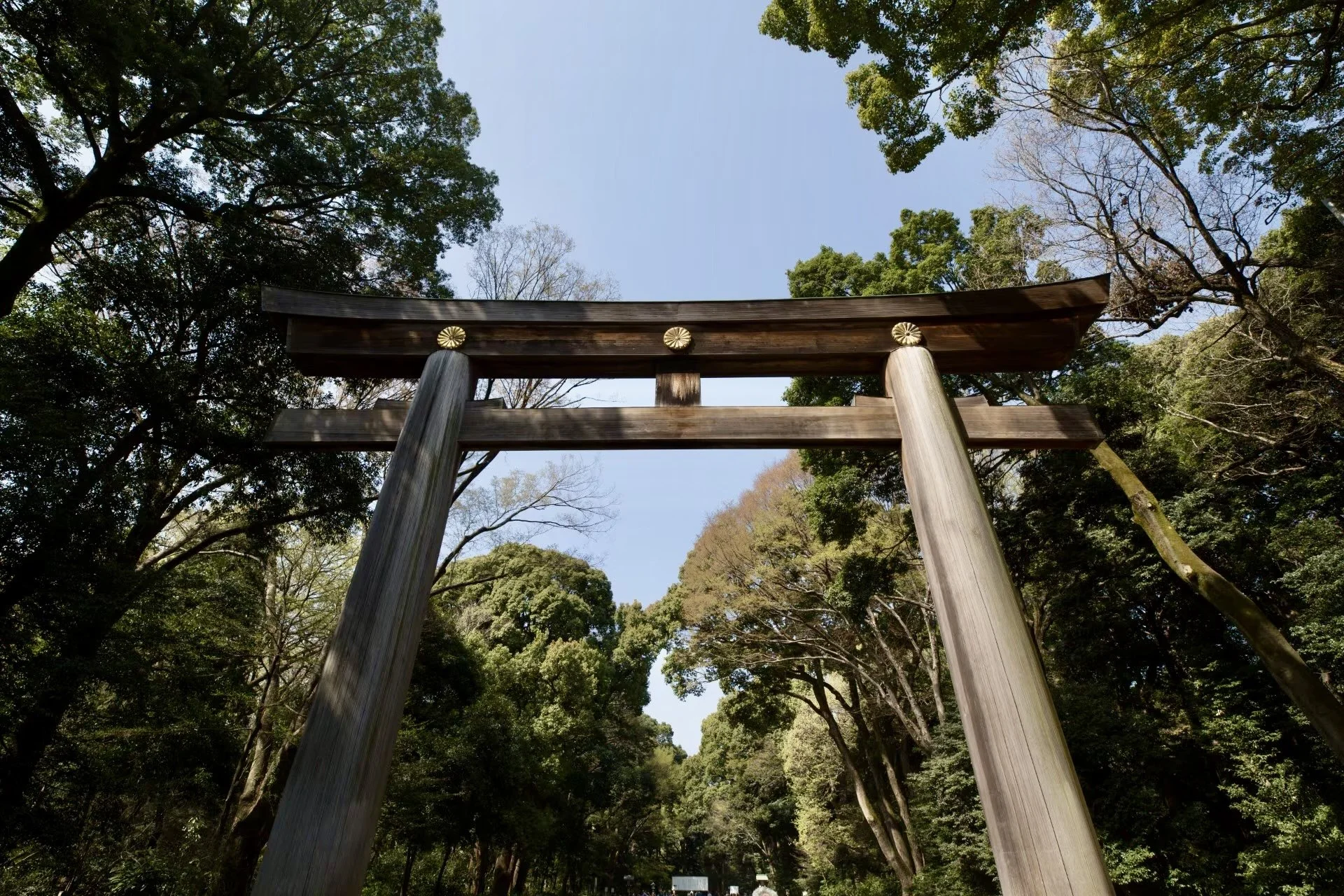
⛩️ Meiji Jingu is a Shinto shrine set in a vast forested area in the middle of Tokyo. Pictured is the shrine’s Torii gate, a traditional Japanese wooden structure that marks the entrance to a sacred space.
This guide summarizes our trip across Japan’s South Island, starting in Tokyo and traveling south to Osaka, Nara, and finally Kyoto. Think of it as an invitation: an intentional selection of sensory experiences, spiritual landmarks, and useful tips to inspire your upcoming adventures in this remarkable country.
What you’ll find below:
Highlights: Read on for standout experiences and must-see sites.
Spiritual & cultural touchstones: temples, shrines, rituals, and practices.
Practical tips: respectful behaviors and logistics that made travel smoother.
🗼Tokyo, Japan
Amplified Futuristic Energy — Clean, Modern, Unstoppable
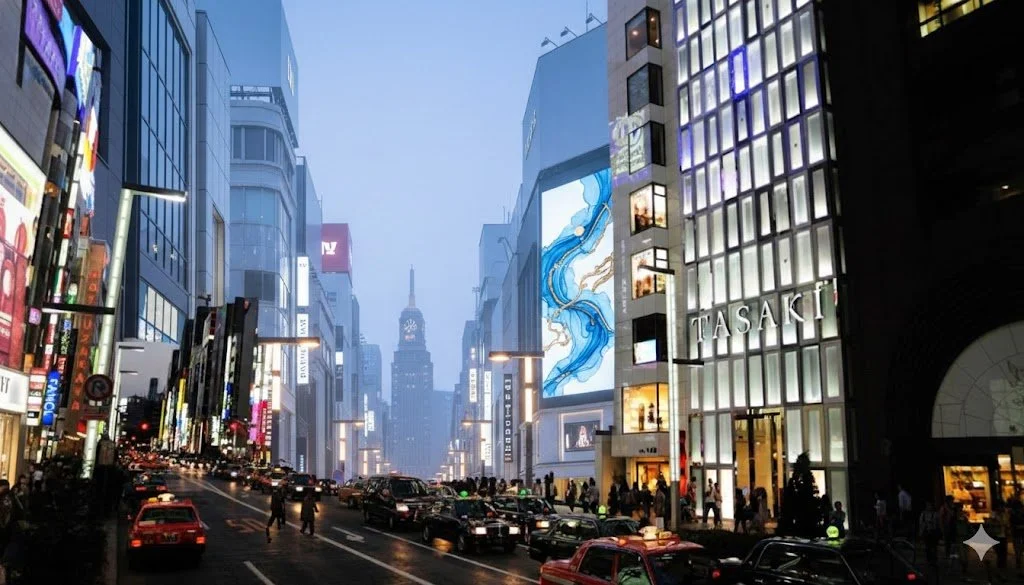
Where to Stay: Ginza
Ginza uniquely blends vibrant energy with a sense of calm and safety, making it the perfect retreat from the city’s intensity. The Aloft Tokyo Ginza was perfect for our needs, and had an incredible hotel breakfast spread!
• The area features spotless, wide boulevards and storefronts that showcase exceptional design, from historic stationery shops to rooftop garden bars hidden from view.
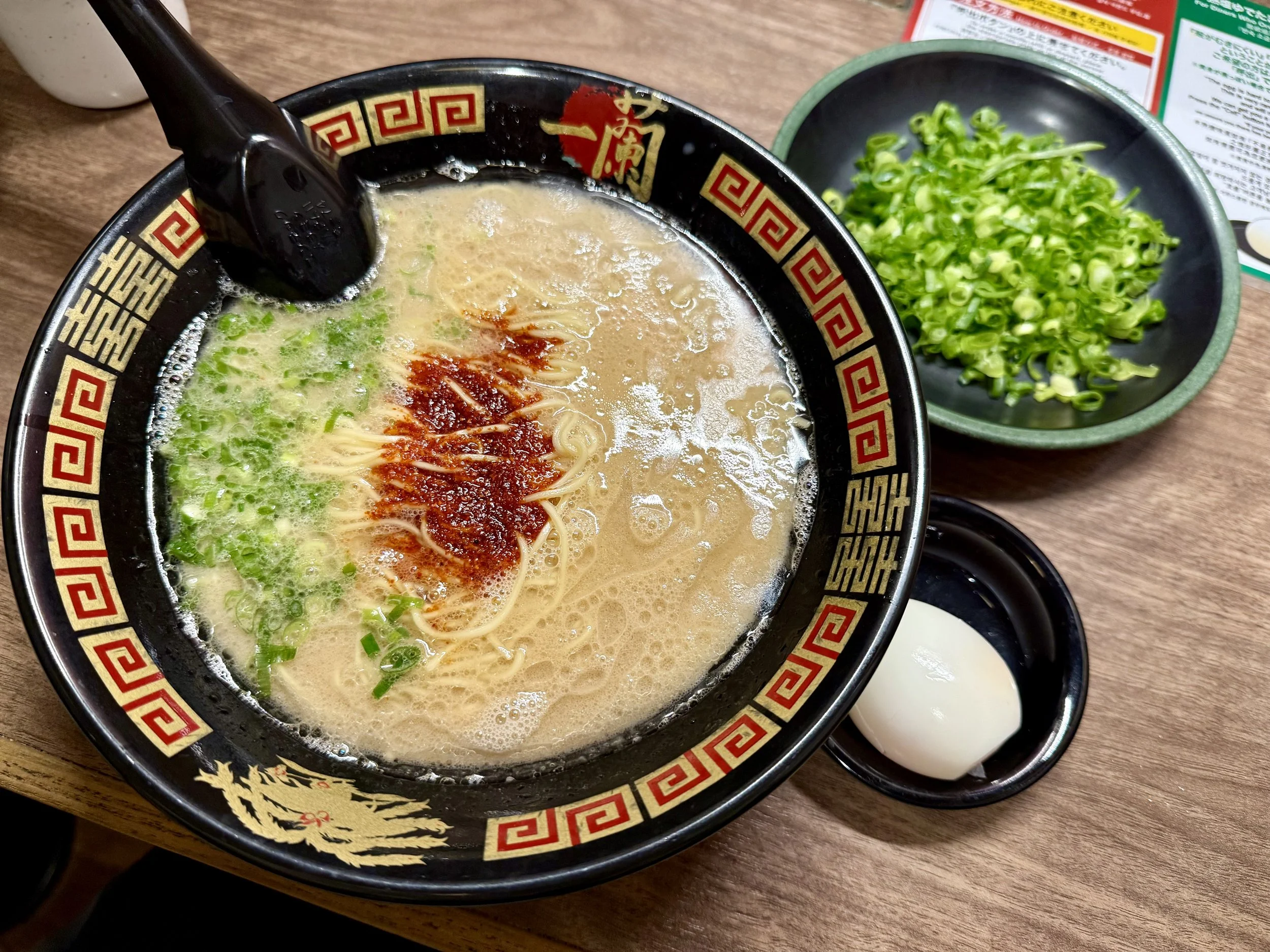
Ramen at Ichiran
Ritual of Solitude: In a city of millions, Ichiran’s famous solo booths create a quiet, focused space to practice presence with just yourself and your nourishment.
Personalize your bowl with options like green onion, nori, a soft‑boiled egg, mushrooms, and more. Choose the broth’s richness, noodle firmness, spice level, and toppings for a tailored, comforting meal.

Art Aquarium Ginza elevates the aquarium into an immersive art installation. Warm-lit rooms showcase thousands of goldfish in elaborately decorated, seasonally reimagined tanks.
In Japanese symbolism, goldfish signify joyful, fleeting life; their passage through curated scenes offers a quiet meditation on change. Seasonal redesigns—cool blues and lanterns in summer, amber leaves in autumn—shift mood and invite repeat visits.
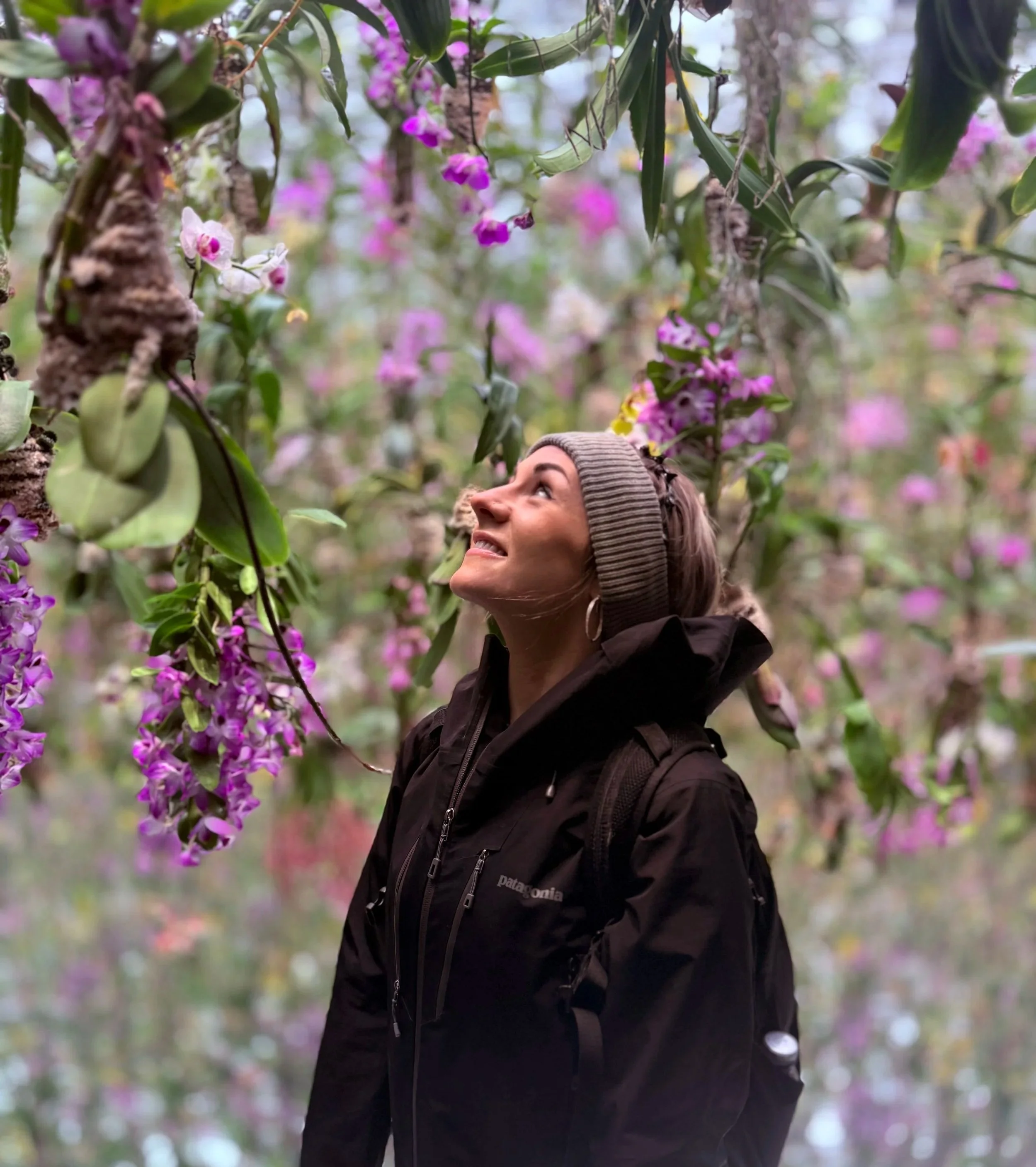
TeamLab Borderless/Planets | Life = Art
An immersive world without boundaries where you don't just view the art; you “merge” with the light, the water, and the flowers.
Traveler’s Note: We only visited Team Labs: Borderless, but there is another exhibit called Team Labs: Planets. Our experience at Borderless was a bit overstimulating due to the crowds, so enter from a grounded place. For families with children, the Borderless exhibit could be a fun activity.

Fermented Hot Enzyme Bath
This ritual deeply warms you and detoxes, so soothing we dozed for 16 hours after returning to our hotel in Ginza. It offers physical relaxation and a 'release of airport energy and city noise.' The enzyme bath, made of rice bran and cedar shavings heated by natural microbes, offers a natural aroma, warm fermentation, and a bed-like comfort. Expect to sweat! It improves blood and lymph flow, boosts immunity, and stimulates digestion for healthy gut flora.
This Enzyme Bath reminded me of the importance of elemental bathing—
the same spirit I pour into my Nadair Mineral Soaks.

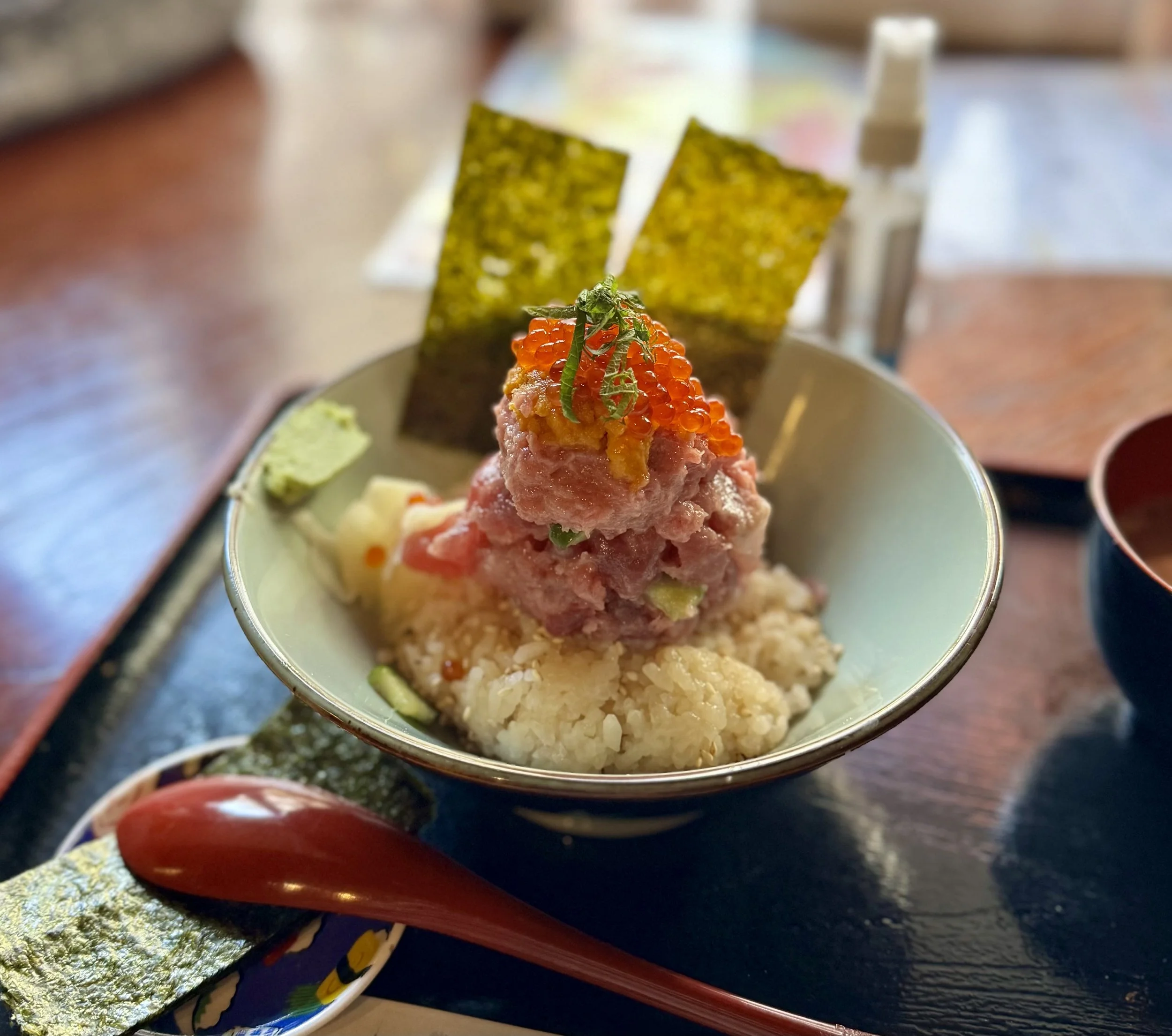
Kaisendokoro Mukai is located in Tokyo’s Shibuya neighborhood, housed in a repurposed home, and has just 12 seats. Their specialty is a generous pile of fresh sashimi stacked over warm sushi rice, with ginger and wasabi.
The seafood was incredibly fresh, and even when the meal felt a little unfamiliar to me—raw salmon, raw tuna, and a surplus of fish eggs—it was a lesson in presence and open-mindedness, because I actually enjoyed it!
There may be a wait for a table, but ours was worth it. Upon entering, you're asked to remove your shoes before sitting at low tables on tatami mats. On warm days, you can even sit at the two-person table out in their private backyard zen garden. Can you find this hidden treasure?
🍣 Osaka, Japan
A Vivid Thirst for Life + Raw, Human Appetite for Living
(2 hours and 30 minutes by bullet train from Tokyo).
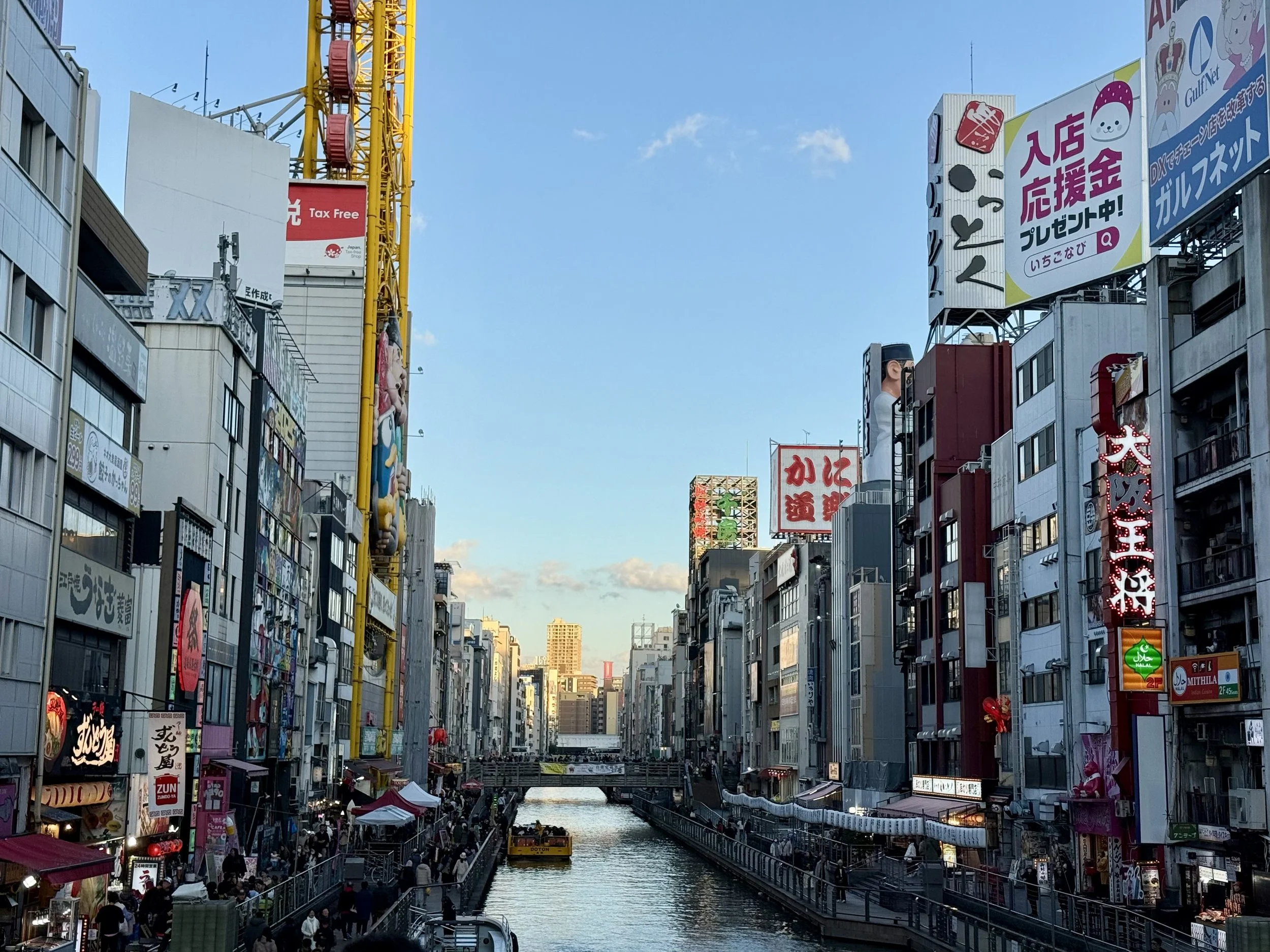
Dotonbori Street at Twilight
“Osaka’s Times Square”
In Osaka, we experienced a stimulating, gritty magic in the "otherworldly" glow of neon signs, the red-light district, and the hot steam rising from street-food vendors.
For shopping, Dotonbori and America Mura neighborhoods are vibrant, offering everything from neon-lit souvenir stalls and luxury boutiques to vintage stores and independent designer shops.
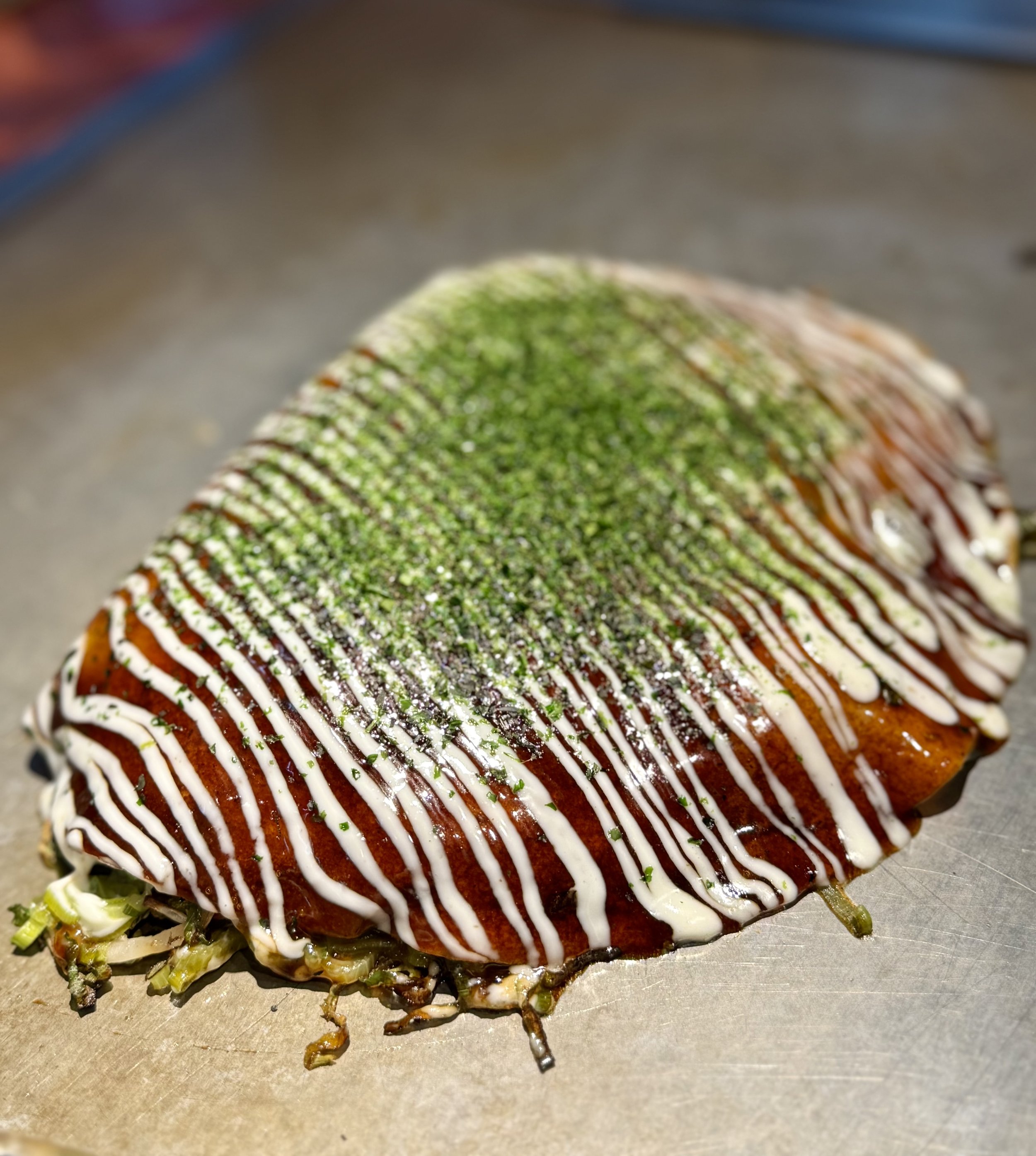
We loved this ‘hole in the wall’ authentic Osaka restaurant with only 12 seats, where the staff was very welcoming, and the food was made in front of us on hot plates.
I ordered OKONOMIYAKI, a Japanese-style pizza with lots of green onion and a sweet-and-savory sauce. I left the other Osaka delicacy, Takoyaki (Octopus Balls), to Devin.

Experience a calming scalp and hair treatment that boosts circulation, eases tension, and relaxes the nervous system. My session started with a thorough scalp massage, pressure-point therapy, and soothing scalp work using aromatic oils, serums, and masks, followed by a series of washes to eliminate stagnation, refresh, and calm.
It concluded with a neck-and-shoulder massage, gentle stretches, and blow-drying. The touch, grounding, and my mindful breath work throughout restored my energy after intense mental activity in Tokyo and Osaka, leaving me revitalized for the journey to Kyoto!
🦌 Nara City, Japan
Leaving the neon pulse behind, we traveled toward the ancient forest spirits of Nara...
Towards the “Bowing Deer,” the Giant Buddha, and the World's Largest Wooden Structure
(35-minute train from Osaka)
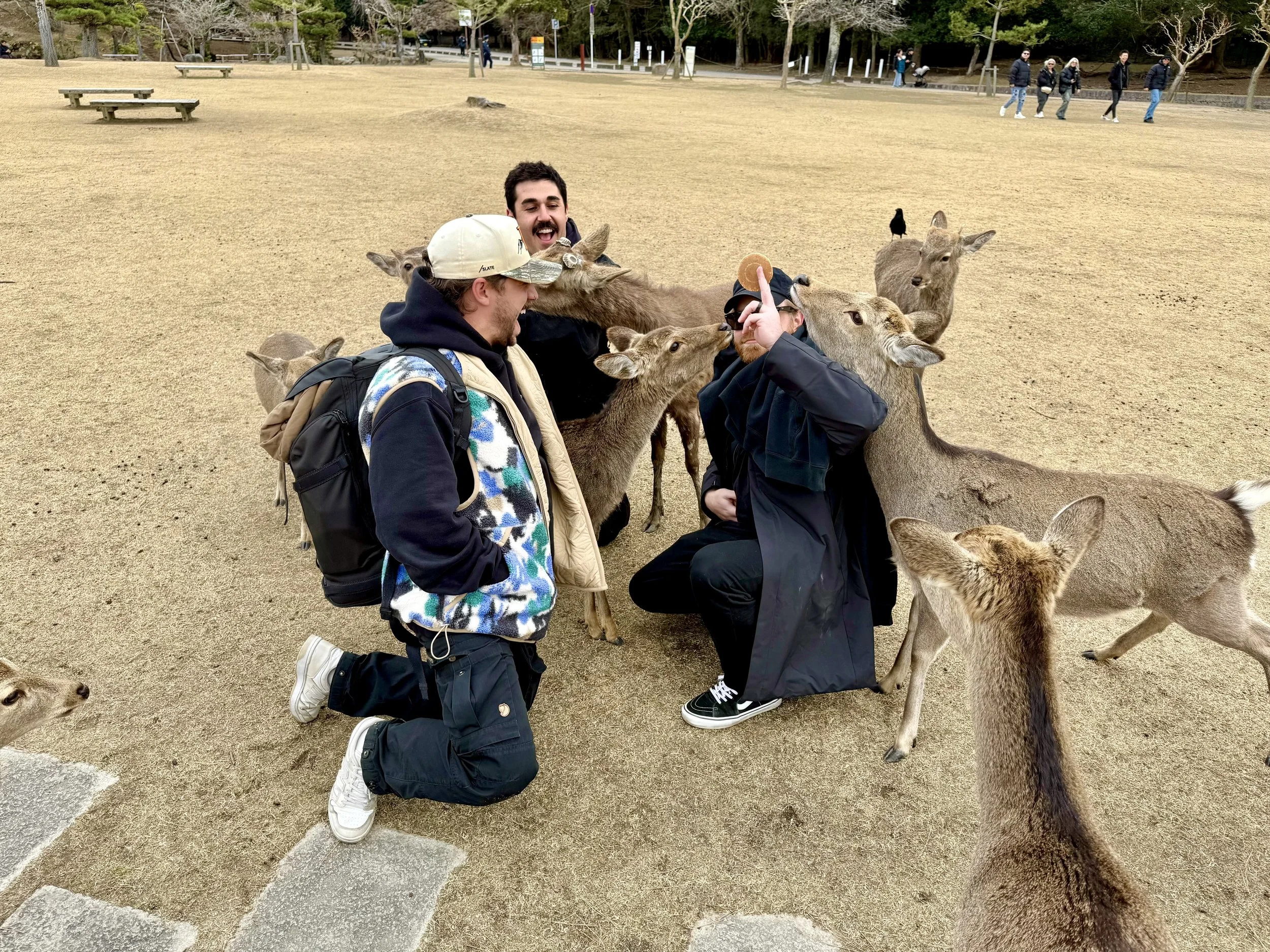
Nara Wildlife Park
Nara Park is a large public area known for over 800 free-roaming “Bowing Deer” that have inhabited the region for 1,300 years, cared for by Buddhist monks.
These deer are sacred messengers of the gods, and they are (mostly) polite, often bowing in return for crackers sold on-site. As divine representatives of the kami (forest spirits), they embody a long history of harmony between nature and spirituality.
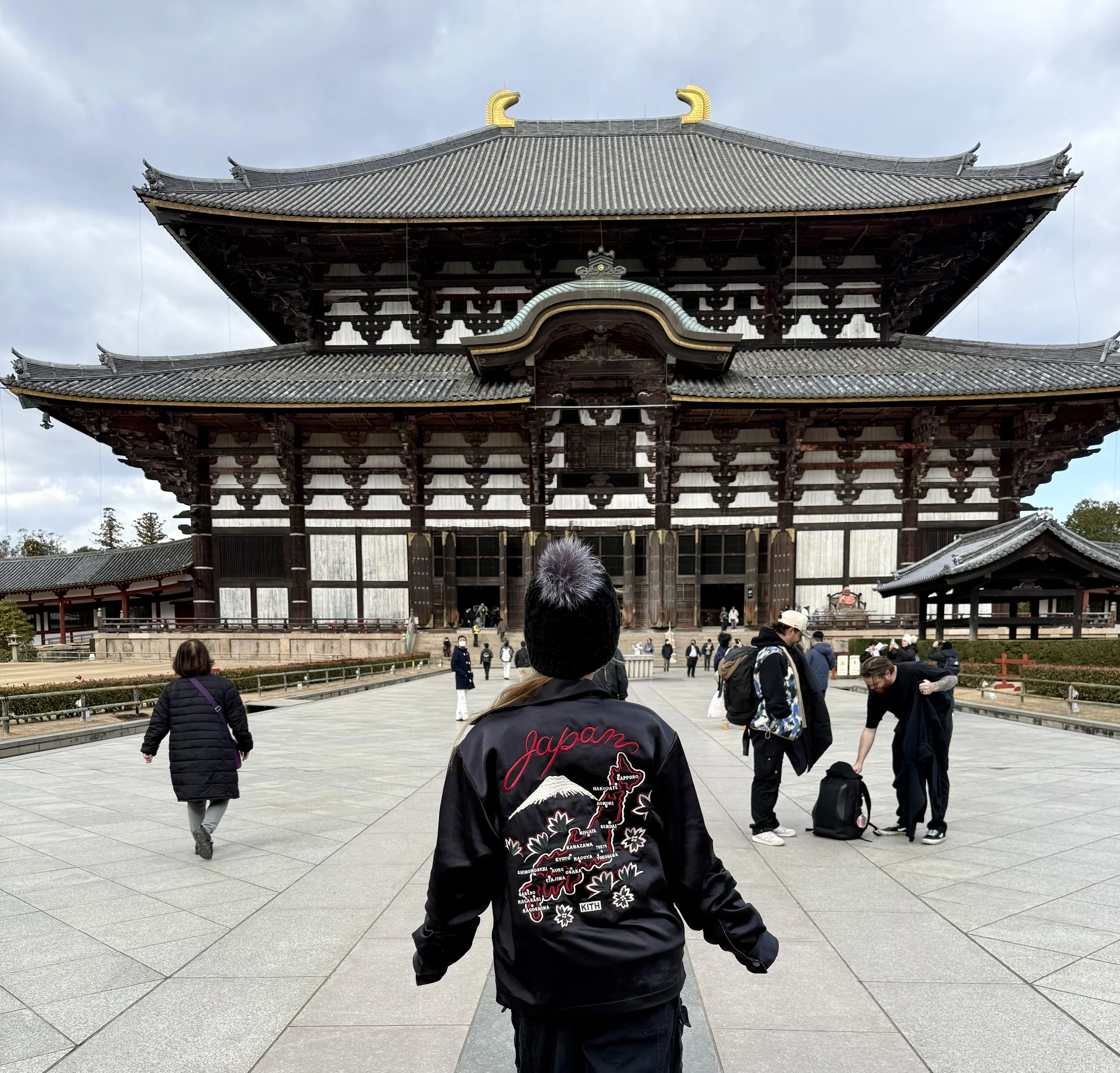
Todaiji Temple
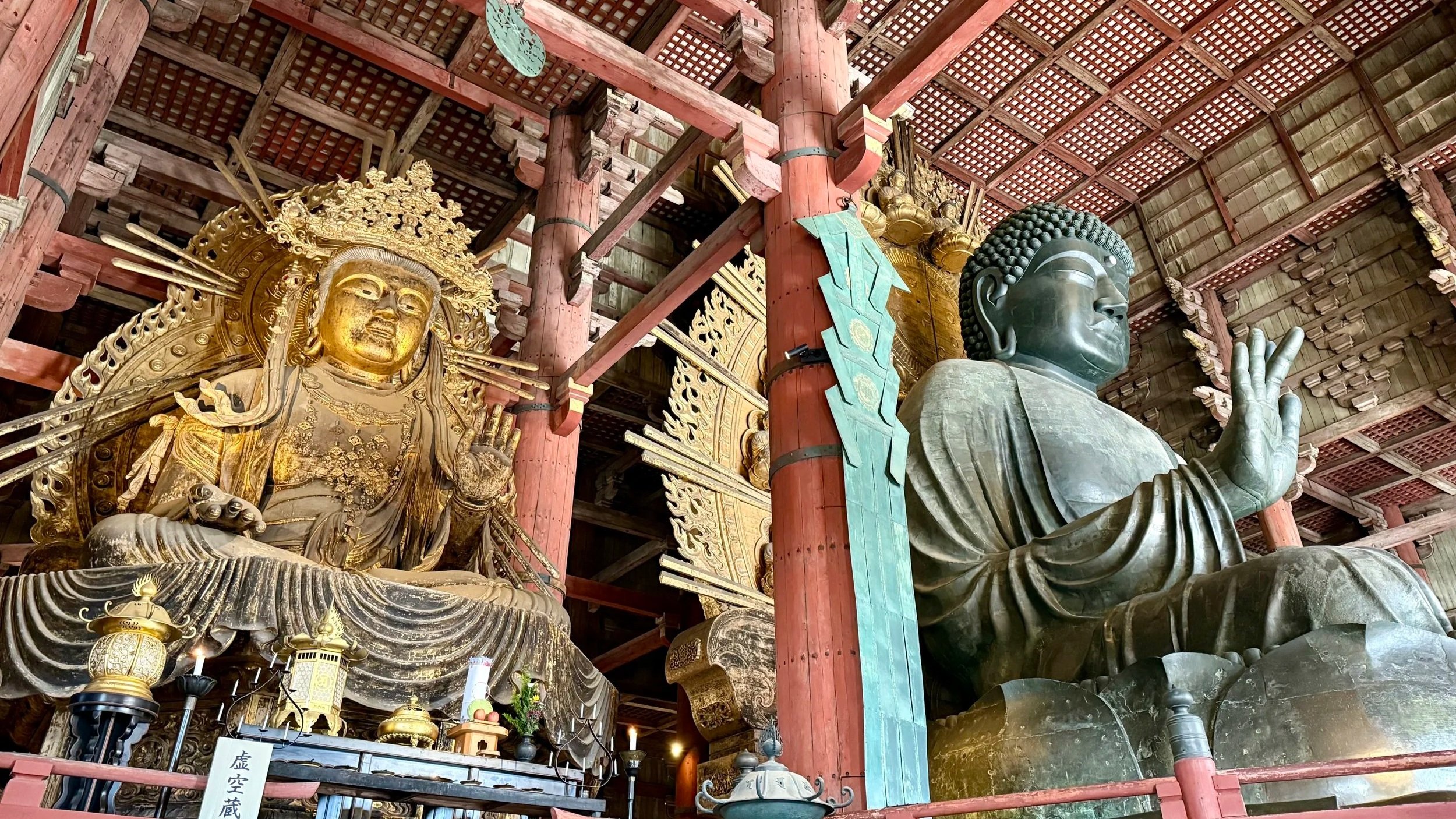
Todaiji Temple was founded between 710 and 784, when Nara City served as Japan's capital. The massive building houses one of Japan's largest bronze statues of Buddha.
Alongside the Great Buddha statue, the main hall was also designated a national treasure - the largest wooden structure in the world.
🍵 Kyoto, Japan
Serene Shinto Shrines, Contemplative Zen Temples, and Timeless Wisdom of the Ancients
(35-minute train ride from Nara)
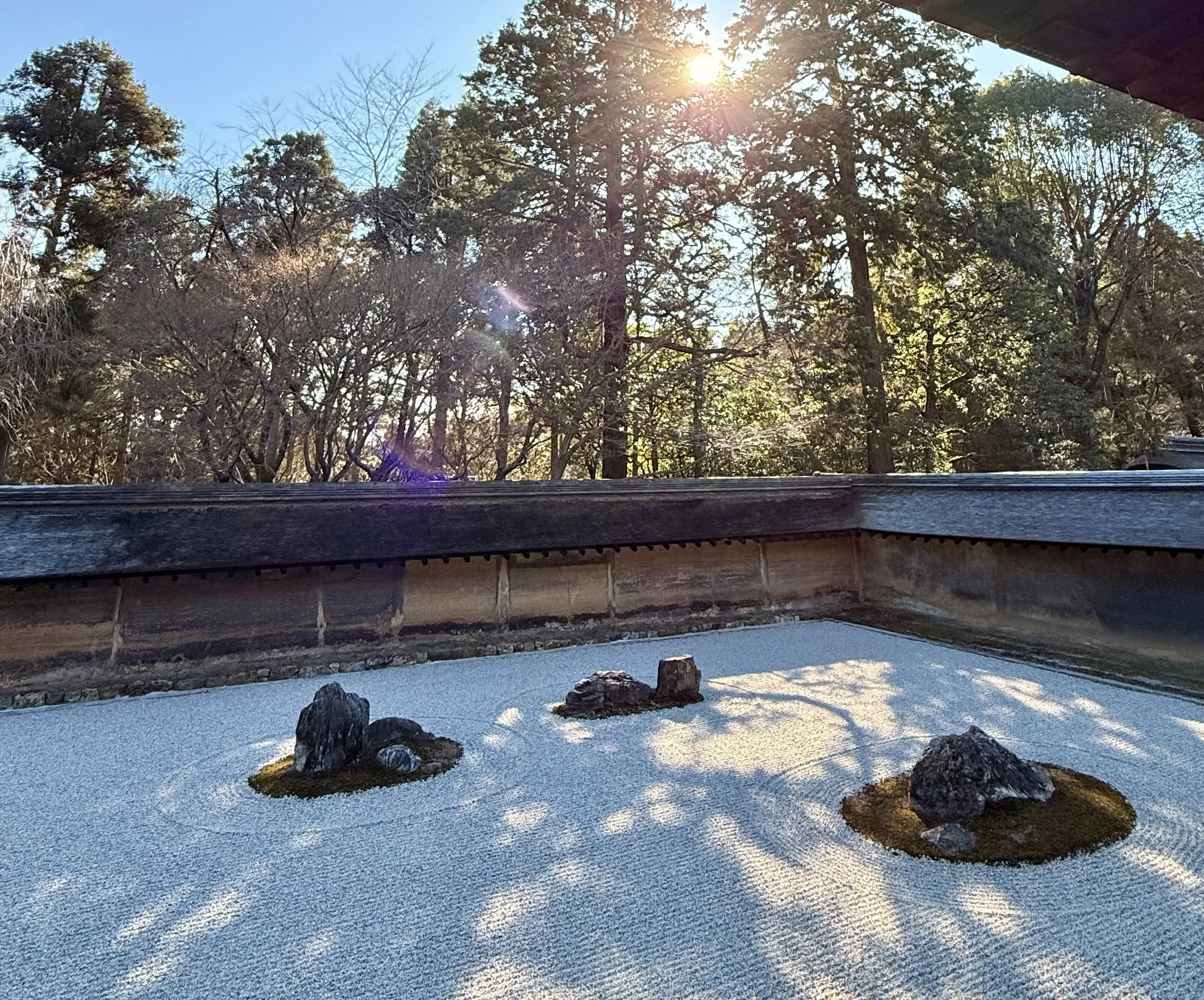
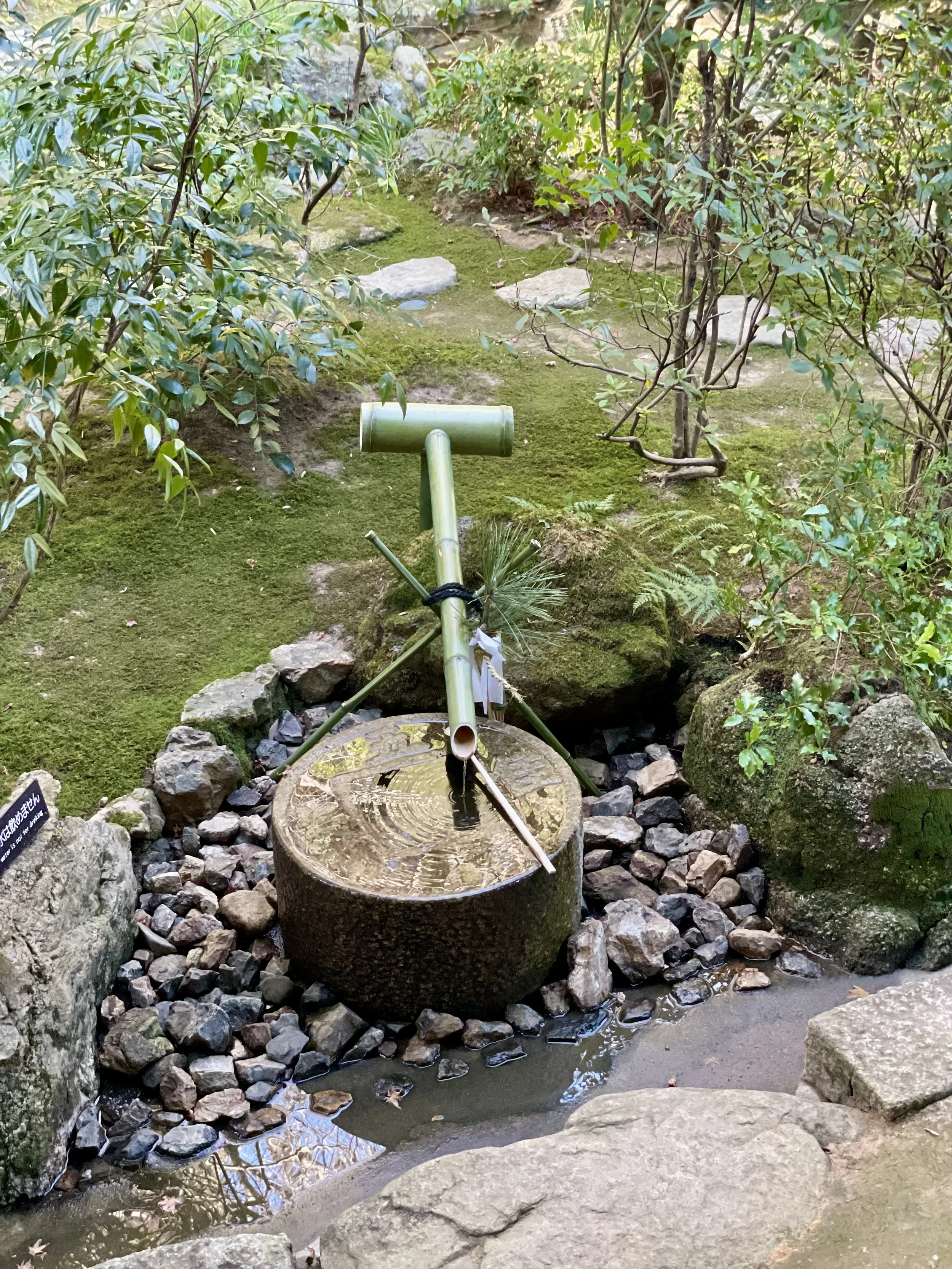
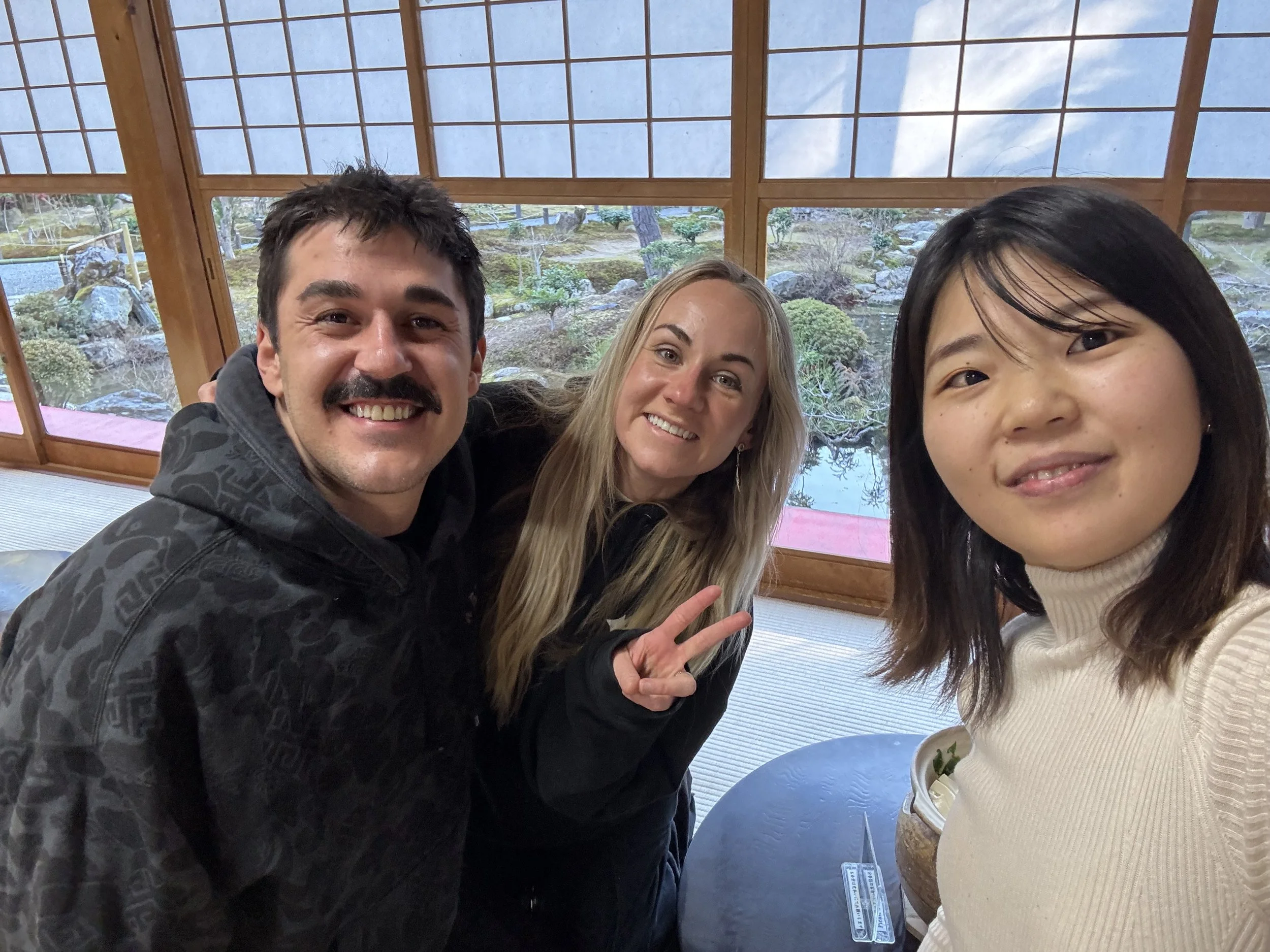
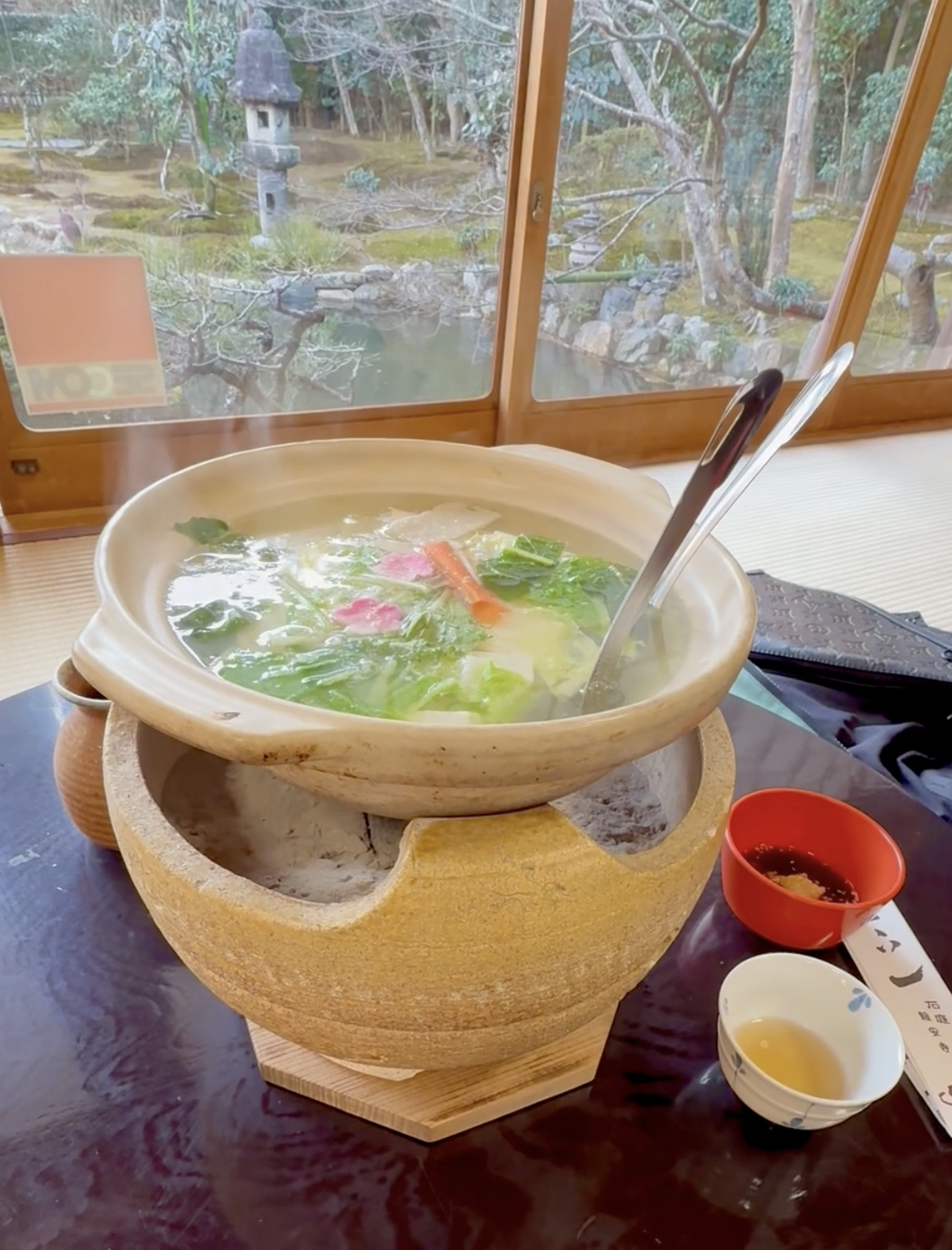
Fifteen stones rest in raked gravel, symbolizing silence—the strength of unspoken words. This Zen garden, built around 1450, is famous for the mystery of why only fourteen rocks are visible from any perspective. Besides scenic walking trails, the park features a restaurant serving Kyoto's Yudofu (boiled tofu). The dishes are enjoyed in inviting tatami rooms that overlook a traditional Japanese garden. Although the tofu surplus was quite different for us, the thoughtful presentation of the meal and the company of a lovely new friend made it a meaningful moment.
Kinkaku-ji Temple
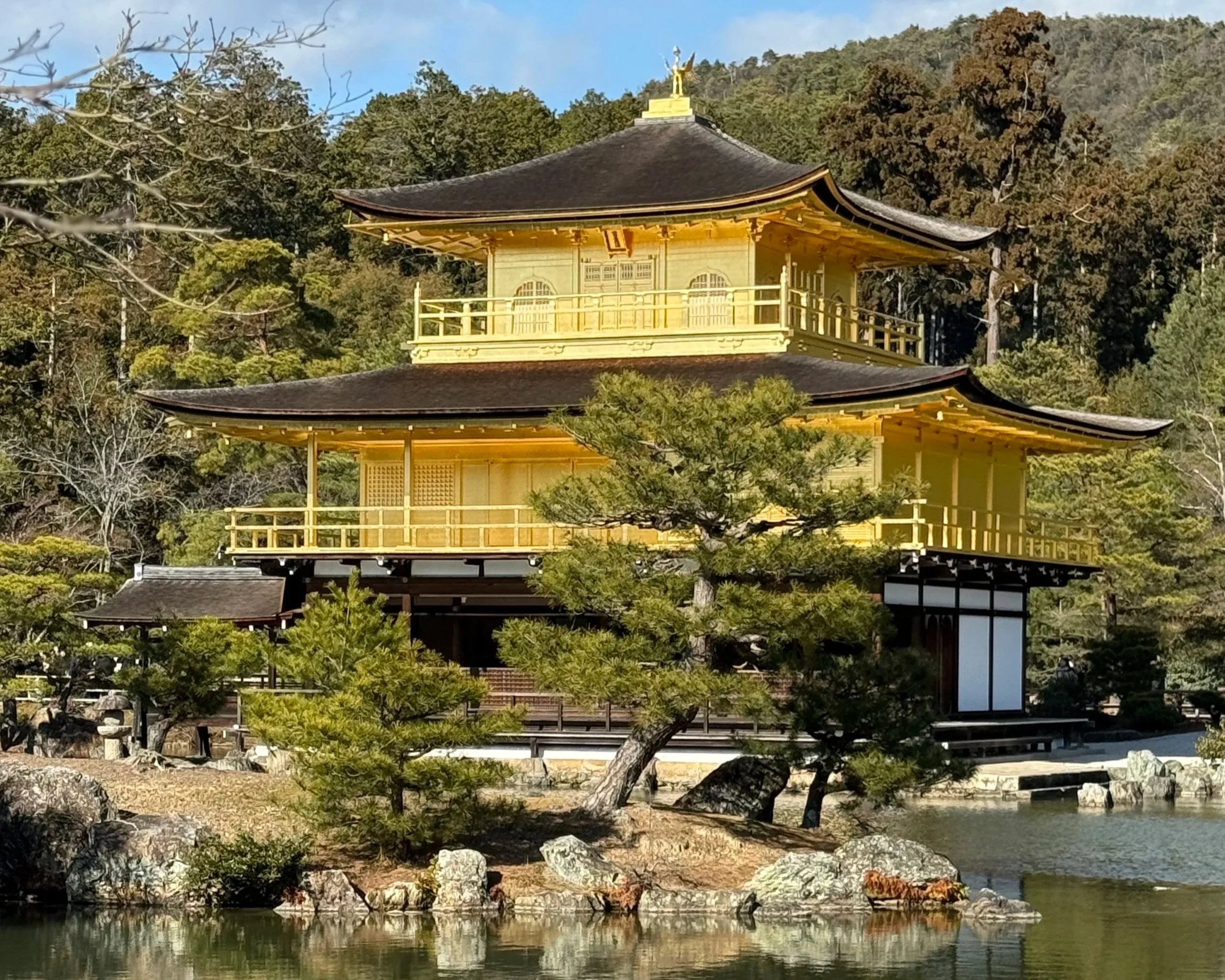
Rising above its mirror-pond in Kyoto, the Golden Temple is a literal embodiment of refinement. With its top two floors cloaked in pure gold leaf, it was built to welcome Emperors and world travelers—a bridge between the earthly and the divine.
In the sun, it doesn't just sit; it glows. It reminds us that even in a world of impermanence, there is a part of our own essence that is golden, incorruptible, and meant to shine.
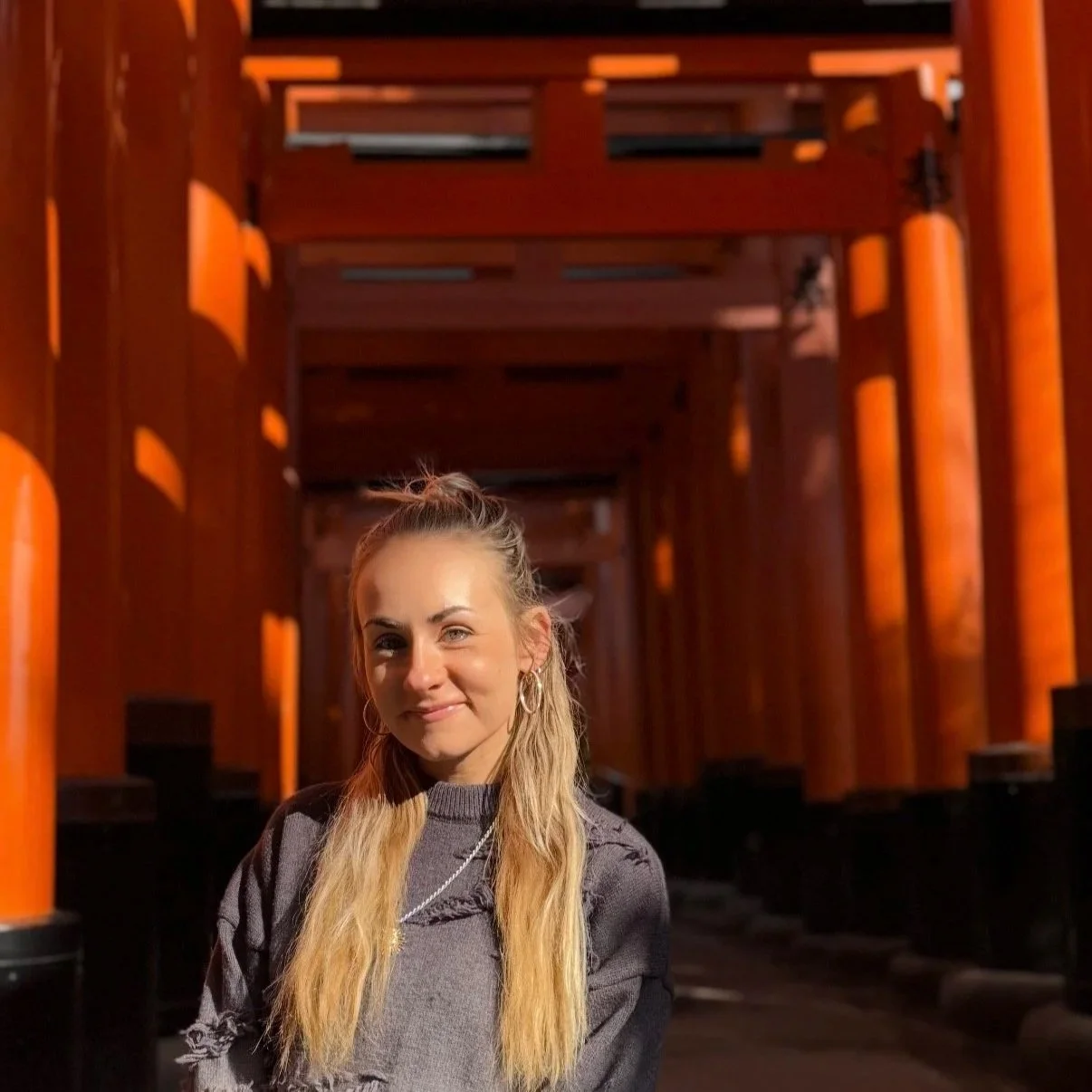
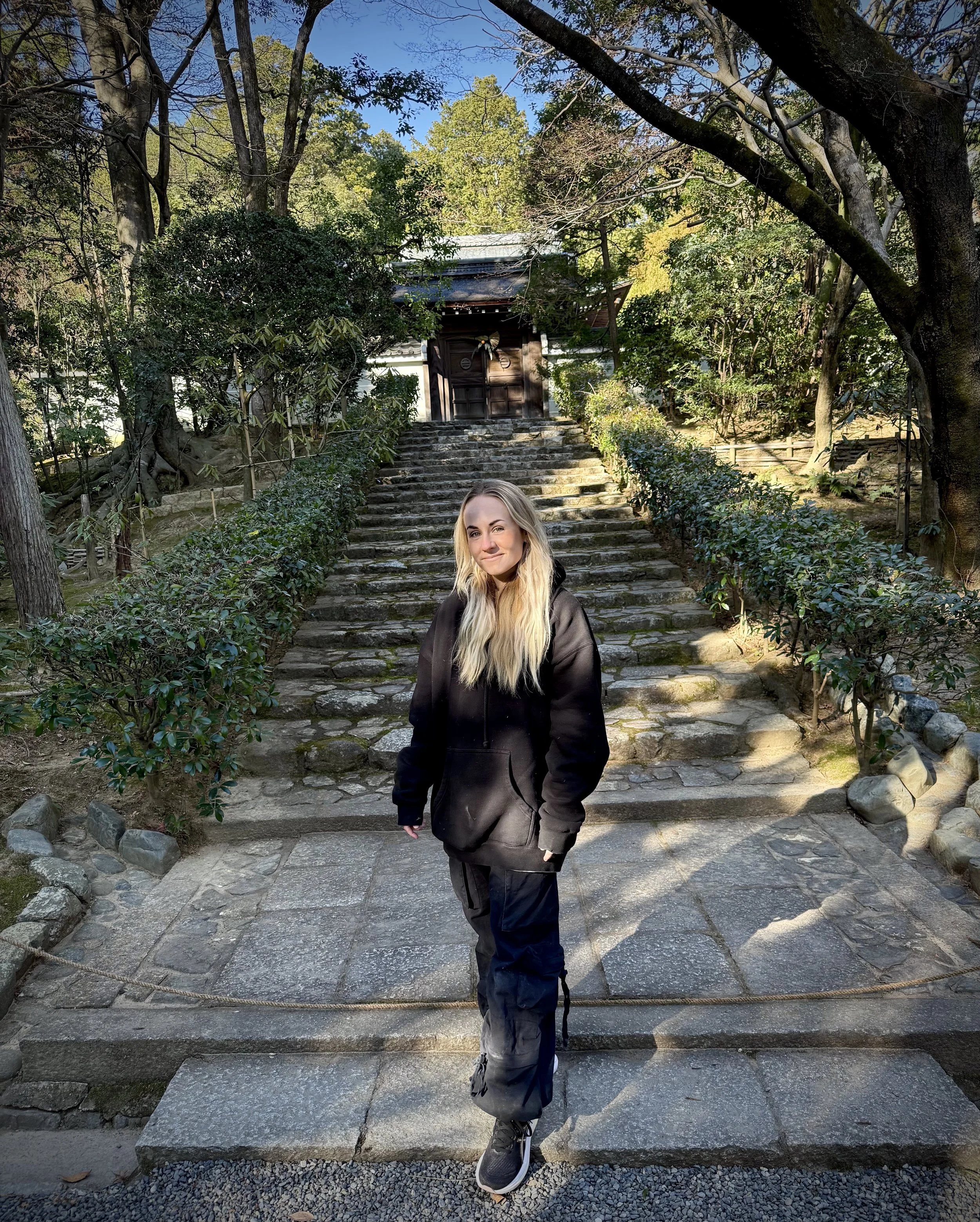
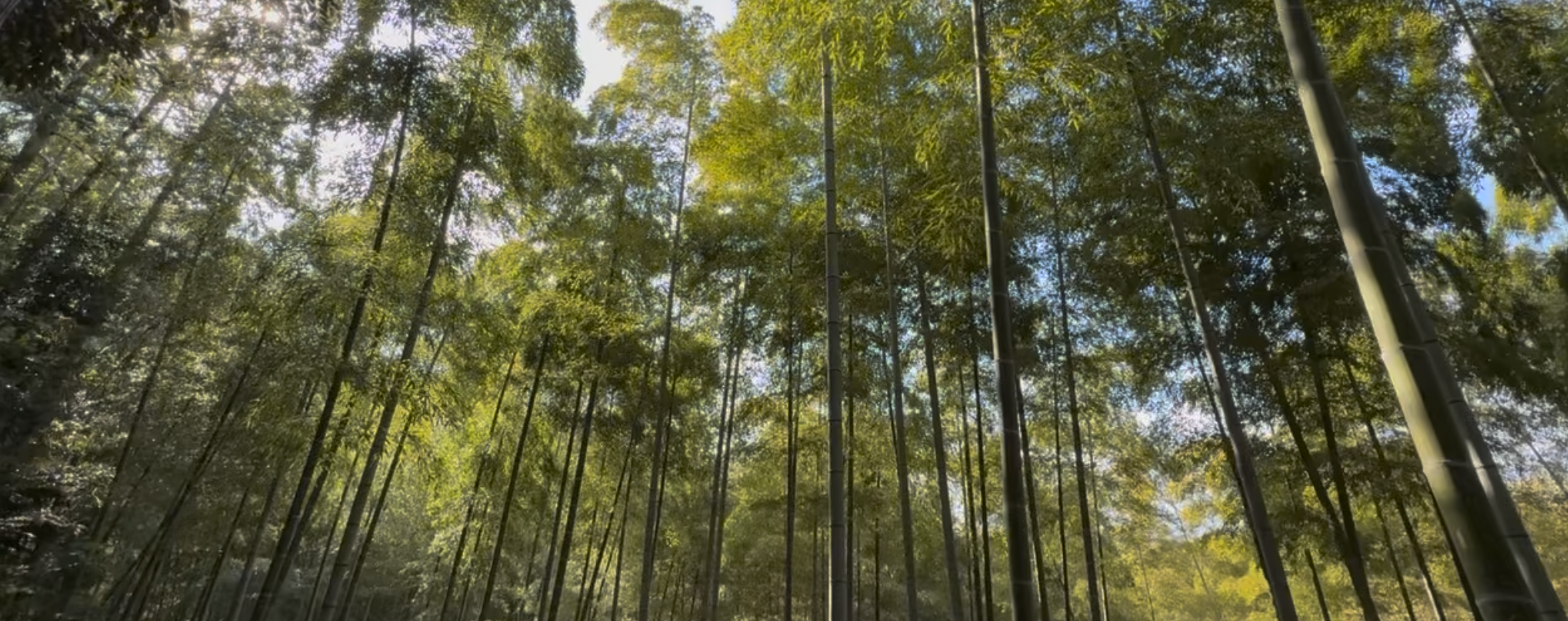
Fushimi Inari, renowned for its thousands of torii gates, is a 1,300-year-old Shinto shrine complex at the foot of Mt. Inari in Kyoto. It includes a secluded 5-minute walk to a thriving bamboo forest along the mountain trail. These shrines serve as spaces to honor the changing seasons and the sacred spirits of animals and the earth. Keep an eye out for the animal guardians specific to this shrine, the White Fox. We also noticed a shrine to the Fire Horse — its energy is bold, swift, and fiery, calling for courageous action and liberated self-expression in 2026.
🎍Travelers’ Tips
ZEN & SHINTO PRACTICES TO OBSERVE
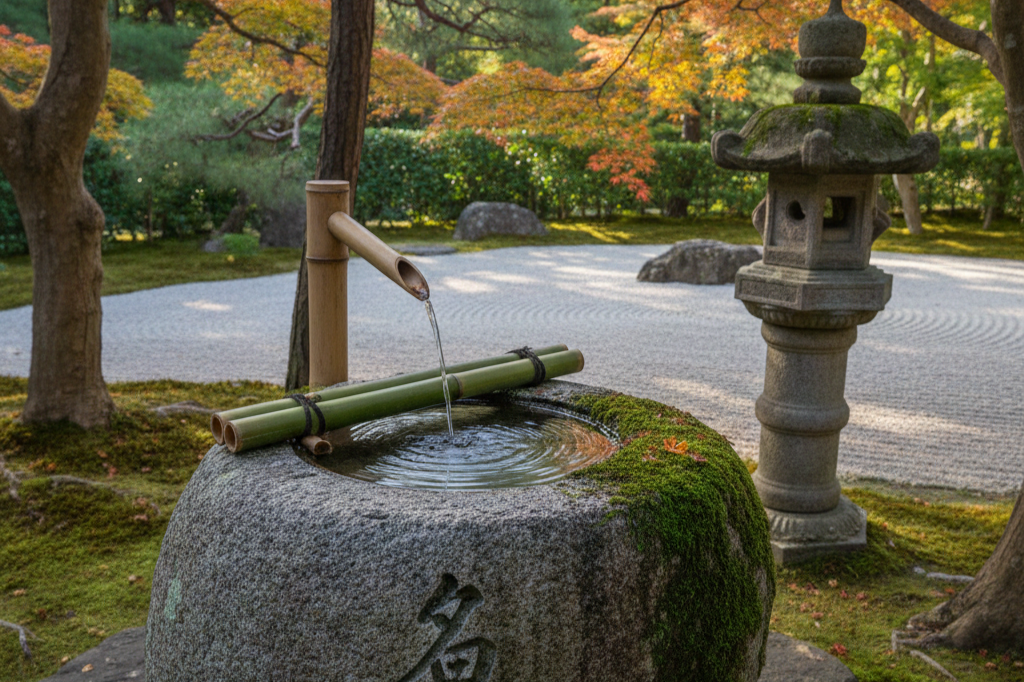
Purify hands and mouth at the chozuya (water fountain)
Shrine/Temple Protocol —
Approach the torii gate from either side (not the middle): The center is considered the path for the kami (spirits); use the sides to show respect.
Purify hands and mouth at the chozuya (water fountain): Use the ladle with your right hand to pour water over your left, then switch; pour water into your left hand to rinse your mouth (do not touch the ladle to your lips), spit discreetly into the drain area, then rinse both hands and the handle before returning the ladle.
Offering and prayer ritual in the honden (main hall): Bow twice before the offering box, toss a few coins lightly into the box, bow twice again, clap twice to attract the kami’s attention, hold your hands together and pray silently, then finish with a single bow. Keep your prayer brief and inward; avoid loud or prolonged gestures.
Movement and breathing: Walk slowly on temple paths and gravel, keeping steps light and voice low. Soft, contemplative breathing helps you attune to the atmosphere and maintain respect for worshippers.
Timing: Early morning offers quieter spaces, softer light for photography, and fewer crowds; late afternoon can also be peaceful but check seasonal hours for gates and halls.
Zazen and temple programs: Many temples host short zazen sessions, tea ceremonies, sutra copying, or calligraphy — these are often structured and guided. Reserve in advance when possible, arrive early, wear modest, comfortable clothing, and follow the teacher’s instructions. Silence and attentiveness are part of participation.
Donations and purchases: Small donations at the offering box support temple upkeep; purchasing charms or ema (wooden prayer plaques) at the shrine office helps sustain the site and is a respectful alternative to leaving offerings outside designated areas.
TRANSPORTATION -
Japan’s public transportation is famously efficient but can feel overwhelming—especially Tokyo and Osaka’s subway systems, where multiple private lines, color-coded routes, and multilingual signage still take a moment to orient. Expect crowded platforms during rush hour, complex station layouts with many exits, and trains that run like clockwork.
Seek station staff for help. Employees are usually positioned near electronic ticket booths or gate areas and can assist with ticket purchases, card top-ups, and route questions. Their guidance is invaluable for avoiding mistakes and getting on the right train.
Use taxis and rideshares strategically. For our trip, we relied on a mix of taxis, rideshare services (like Uber), and walking. Taxis are pricier than trains but plentiful in city centers and useful late at night, when transfers are unclear, when you have luggage, or when you travel in a group.
Footwear. City streets often include uneven pavement and long walking stretches between sites. Comfortable shoes make the difference between an enjoyable day and sore feet. Choose supportive, well-broken-in footwear for temple visits, shopping, and long walks—I found the Asics Gel-Nimbus 27 exceptionally comfortable.
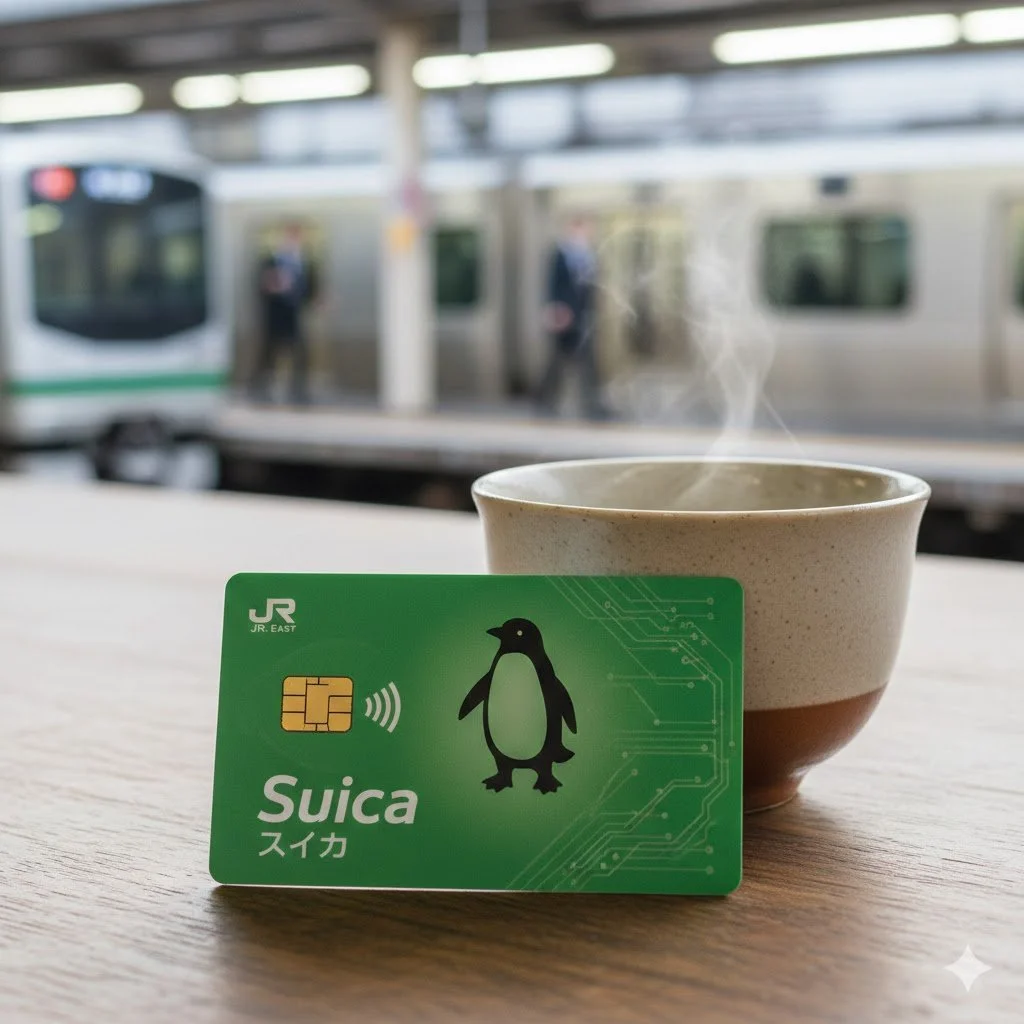
Get a Suica card. Download the Suica app and preload funds before arrival if possible. These prepaid, rechargeable cards provide seamless access to trains, buses, and many shops and vending machines—just tap and go.
TOOLS
Carry some cash. Keep a small roll of yen handy: some taxis, smaller shops, and neighborhood restaurants, smaller temples, markets, and ritual offerings prefer cash for purchases and donations.
Use translation tools. Download a translation app such as Google Translate and don’t hesitate to use it for menus, signs, or quick conversations. Regardless of the language barrier, my Fiance Devin has a way of translating joy. Whether it was a shared joke with a local vendor or a moment of levity in a crowded station, he reminded me that laughter requires no translation. It is the universal bridge that connects us, making the "foreign" feel like home.
These words are fundamental for navigation and courtesy in Japan.
Arigatou (Ah-ree-gah-toe) — Thank you.
Sumimasen (Soo-mee-mah-sen) — Excuse me / I'm sorry.
Konnichiwa (Kohn-nee-chee-wah) — Hello / Good afternoon.

HISTORICAL CONTEXT
The Age of the Samurai. This Netflix Documentary offered valuable historical context about the temples, shoguns, and Japan's often bloody history involving the samurai.
